 Did you know that your IE browser is outdated?









2026
Most people only associate alcohol with its psychoactive effects. However, the truth is that the effects of alcohol consumption can extend to other parts of the body, including the heart.
This often depends on how much and how often you drink, as well as your overall health. What might seem moderate for one person may still increase risk for another.
Understanding the connection between alcohol and heart health helps you make better choices. It also clears up common misconceptions that can lead to risky habits.
How Alcohol Affects the Heart
In the short term, you may experience a faster or irregular heartbeat after drinking. Alcohol can also raise your blood pressure temporarily, straining your cardiovascular system. In some cases, this may trigger episodes of irregular heart rhythm. Since alcohol is a diuretic, it can cause dehydration, which can reduce blood volume and make your heart work harder than usual.
And if you are a regular or heavy drinker, it may lead to persistent high blood pressure, increasing the risk of heart disease and stroke. It can also weaken the heart muscle, making it harder for your heart to pump blood effectively. In addition, it may increase the likelihood of developing irregular heart rhythms.
Why Monitoring Alcohol Intake Matters
The effects of alcohol are not always immediate or obvious, which makes them easy to overlook. The worst part is that most heart-related issues develop slowly, and only become noticeable once the damage has already progressed.
Monitoring your intake helps you recognize patterns that may increase your risk before they become serious. Even small adjustments, such as reducing how often you drink or the amount you consume, can make a difference in how your heart functions.
It also allows you to make choices that align with your overall health. If you have existing conditions or risk factors, paying attention to your intake gives you greater control and helps you avoid unintended harm.
Signs Alcohol May Be Impacting Your Heart
Your body will always give you subtle warning signs. Paying attention to these changes can help you identify potential problems early and take action before they worsen.
These include:
- Frequent or irregular heartbeat, especially after drinking
- Unexplained increases in blood pressure
- Shortness of breath during normal activities
- Fatigue or reduced energy levels without a clear cause
- Dizziness or lightheadedness
- Chest discomfort or a feeling of pressure
- Swelling in the legs, ankles, or feet
Tips for Protecting Your Heart
Taking care of your heart does not always require major changes. Some simple steps that you can take today include:
Know Your Limits
It is essential to understand how much alcohol your body can handle. While the recommended limits may vary, staying within moderate levels helps reduce strain on your cardiovascular system.
Track Your Intake
It is easy to underestimate how much you drink. As such, keeping track of your intake will ensure you don’t exceed safe limits.
Alcohol Free Days
Giving your body regular breaks from alcohol allows your heart and overall system to recover. This will lower your risk of heart conditions.
Staying Active with Regular Exercise
Regular physical activity strengthens your heart and improves circulation. It can also help offset some of the negative effects associated with occasional alcohol use.
Maintain a Heart-Healthy Diet
A balanced diet rich in whole grains, vegetables, fruits, healthy fats, and lean proteins boosts heart function and lowers the risk of heart disease.
Take Control of Alcohol and Heart Health Before It’s Too Late
If you are concerned about how alcohol may be affecting your heart, now is the right time to take action.
Schedule an appointment today to evaluate your cardiovascular health and discuss your lifestyle choices.
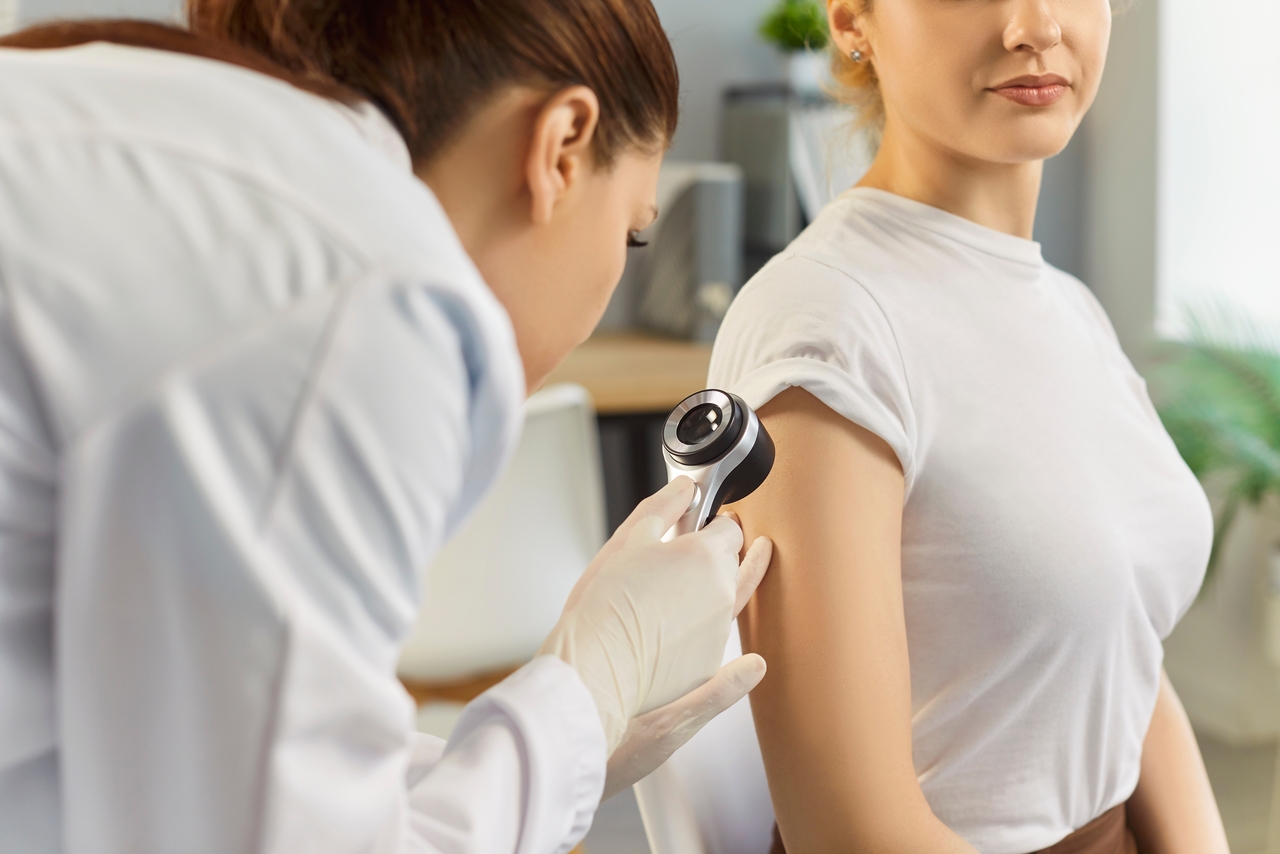
Most medical conditions develop gradually and may not show warning signs in the early stages. You may only realize something is wrong once symptoms become severe or the condition has already progressed. That’s why we recommend regular preventative health screenings.
One of the key benefits of health screenings is early detection. When chronic conditions such as heart disease and cancer are identified at an early stage, it becomes easier to manage. This can significantly boost prognosis and quality of life.
What Are Preventative Screenings?
Preventive health screenings are routine medical tests that evaluate your health to detect early signs of disease and identify potential risk factors.
They can include blood pressure checks, cholesterol tests, cancer screenings, and other evaluations recommended based on your age, medical history, and lifestyle.
However, these screenings should not be confused with diagnostic tests. Preventative screenings are usually performed when you feel healthy and show no symptoms. The goal is to identify possible health risks early. Diagnostic tests, on the other hand, are done when symptoms are already present or when a screening result suggests a potential problem that requires further investigation.
Why Do Preventative Screenings Matter?
Preventive screenings can identify potential health problems, giving your healthcare provider the chance to recommend lifestyle changes or targeted treatments that can slow or manage the condition.
It also allows providers to monitor key health markers such as blood pressure and sugar levels and spot changes that may indicate increased risk. And when an issue is detected, timely intervention can improve treatment outcomes.
Most importantly, routine screenings can reduce the risk of serious health complications. This allows for the potential detection of health issues early, providing an opportunity to take action to prevent disease progression.
Recommended Preventative Screenings
Preventive health screenings are often recommended based on your age, risk factors, and overall health history. As you age, certain screenings become more important because the risk for specific conditions increases.
Preventive Screenings in Your 20s and 30s
During early adulthood, screenings focus on establishing a baseline for your health and identifying early risk factors. It mostly includes:
- Blood pressure screening
- Cholesterol test (especially if you have risk factors)
- Blood glucose screening for diabetes risk
- Cervical cancer screening
- Sexually transmitted infection (STI) screening
- Skin cancer checks
- Routine physical exams and BMI evaluation
Preventive Screenings in Your 40s
As you enter your 40s, the risk for certain chronic conditions begins to increase, making routine screenings even more important. Here is what to expect:
- Blood pressure screening
- Cholesterol testing
- Diabetes screening
- Mammogram for breast cancer
- Cancer screening (e.g. breast, cervical, colorectal, lung, and prostate)
- Eye exams for vision and glaucoma
- Thyroid screening (if recommended by your doctor)
Preventive Screenings in Your 50s and 60s
This stage of life often requires more screenings because the risk for several conditions increases.
- Colorectal cancer screening
- Mammograms for breast cancer
- Prostate cancer screening
- Bone density test for osteoporosis
- Diabetes screening
- Cholesterol testing
- Vision and hearing exams
- Lung cancer screening for individuals with a history of smoking
Preventive Screenings for Adults 65 and Older
The older you get, studies show that your immunity weakens and the body becomes more vulnerable, making you susceptible to illnesses. And if you already have a health condition, it may progress more quickly or lead to complications. As such, regular screenings become more essential, and may include:
- Bone density testing for osteoporosis
- Blood pressure and cholesterol monitoring
- Diabetes screening
- Vision and hearing tests
- Cognitive and memory assessments
- Immune health checks
Tips for staying on top of preventative care
Taking charge of your health doesn’t have to be overwhelming. Small, consistent steps can help you catch potential issues early and maintain good health. Here is how you can stay on top of preventive care:
- Keep a screening schedule: Mark key screenings on your calendar and set reminders. Knowing when each test is due ensures you don’t miss important checkups and helps you track your health.
- Schedule your annual visits: Most health changes and risk factors develop gradually over months and years. Scheduling annual visits gives your doctor enough time to notice meaningful changes in your body and avoid unnecessary tests from frequent visits.
Talk to your doctor about personal risk factors: Everyone’s health needs are different. Discuss family history, lifestyle habits, and existing conditions with your doctor so they can recommend screenings tailored specifically to you.
Don’t Wait for Symptoms: Invest in Your Health Today.
At Jai Medical Systems, your health comes first. As a trusted Managed Care Organization, we partner with providers across Maryland to offer preventive screenings to detect potential health issues early. Each screening is tailored to your age, risk factors, and medical history, allowing you to take proactive steps. If you have any questions about preventative health screening, or don’t know where to start or what to expect, don’t hesitate to contact us.

Heart disease does not just affect one person. It affects households. The Centers for Disease Control and Prevention reports that cardiovascular disease causes about 1 in 3 deaths in the United States. Someone dies from it every 34 seconds. That touches parents, grandparents, and sometimes even young adults.
What makes this especially relevant for families is that many risk factors are shaped at home. High sodium intake, low fruit and vegetable consumption, physical inactivity, and poor sleep patterns all increase the risk of heart problems. For example, most Americans consume more than 3,300 milligrams of sodium per day, well above the recommended 2,300 milligrams. That pattern can gradually affect blood pressure over time.
Children are not immune either. Recent CDC data shows obesity affects nearly 20 percent of U.S. children and teens. Fewer than one in four high school students get 60 minutes of physical activity daily. That’s worth paying attention to because habits formed early tend to stick.
The good news is that small changes made together can protect your family’s heart health for years to come.
How to Build Heart-Healthy Habits at Home
Nutrition Habits
What you serve at home adds up over time. Aim to keep added sugars modest and limit saturated fat to less than 10 percent of daily calories. For children, try to stay under about 25 grams of added sugar per day.
On the other hand, only about 12 percent of adults meet fruit intake recommendations, and just 10 percent meet vegetable targets. That gap tells you where to focus. Adding colorful produce to dinner plates and swapping sugary drinks for water can help support healthier cholesterol levels and lower high blood pressure over time.
Family meals also matter. Adolescents who eat dinner with their families more often tend to have higher-quality diets. Sitting down together creates structure. It also gives you a chance to model balanced portions and healthier options.
Physical Activity Habits
Movement is another pillar of heart health. Children and teens should get at least 60 minutes of moderate-to-vigorous activity each day. Adults should aim for 150 minutes per week, along with strength-building exercises twice weekly.
That sounds like a lot, but it can be built into daily life. A family walk after dinner, weekend bike rides, or playing catch in the yard are some small blocks of movement that add up.
Routine
Routine might be the most overlooked heart-health tool. Sleep plays a major role. Adults generally need 7 to 9 hours per night. School-aged children often need even more. Chronic sleep loss has been linked to a higher risk of heart disease, obesity, and high blood pressure.
That does not mean your home has to run like a military schedule. Small anchors help. A consistent bedtime. Phones off an hour before sleep. Meals planned so weeknights feel calmer. Those steady patterns reduce stress and make healthy decisions easier. When your household supports rest, movement, and balanced meals, you are building protection into everyday life.
Making Healthy Choices Can Be Fun and Sustainable
Habits only stick if they feel doable. If workouts feel like punishment, you will avoid them. If meals feel overly restrictive, motivation fades.
Instead, think about what brings your family together. Maybe it is cooking a new dish on Sundays. Maybe it is a walk through a local Maryland trail after dinner. Shared activities turn health into connection, not obligation.
Over time, these choices improve energy, stabilize weight, and can even lower high blood pressure. The goal is not perfection. It is momentum.
Here for Maryland Families
If you live in Maryland, you do not have to figure this out alone. Jai Medical Systems supports members across the state with preventive care, screenings, and guidance. Schedule a checkup, monitor your blood pressure, and talk with your provider about your family’s goals. If you have questions about coverage or services, reach out to us. We are here to help you take the next step.
2026
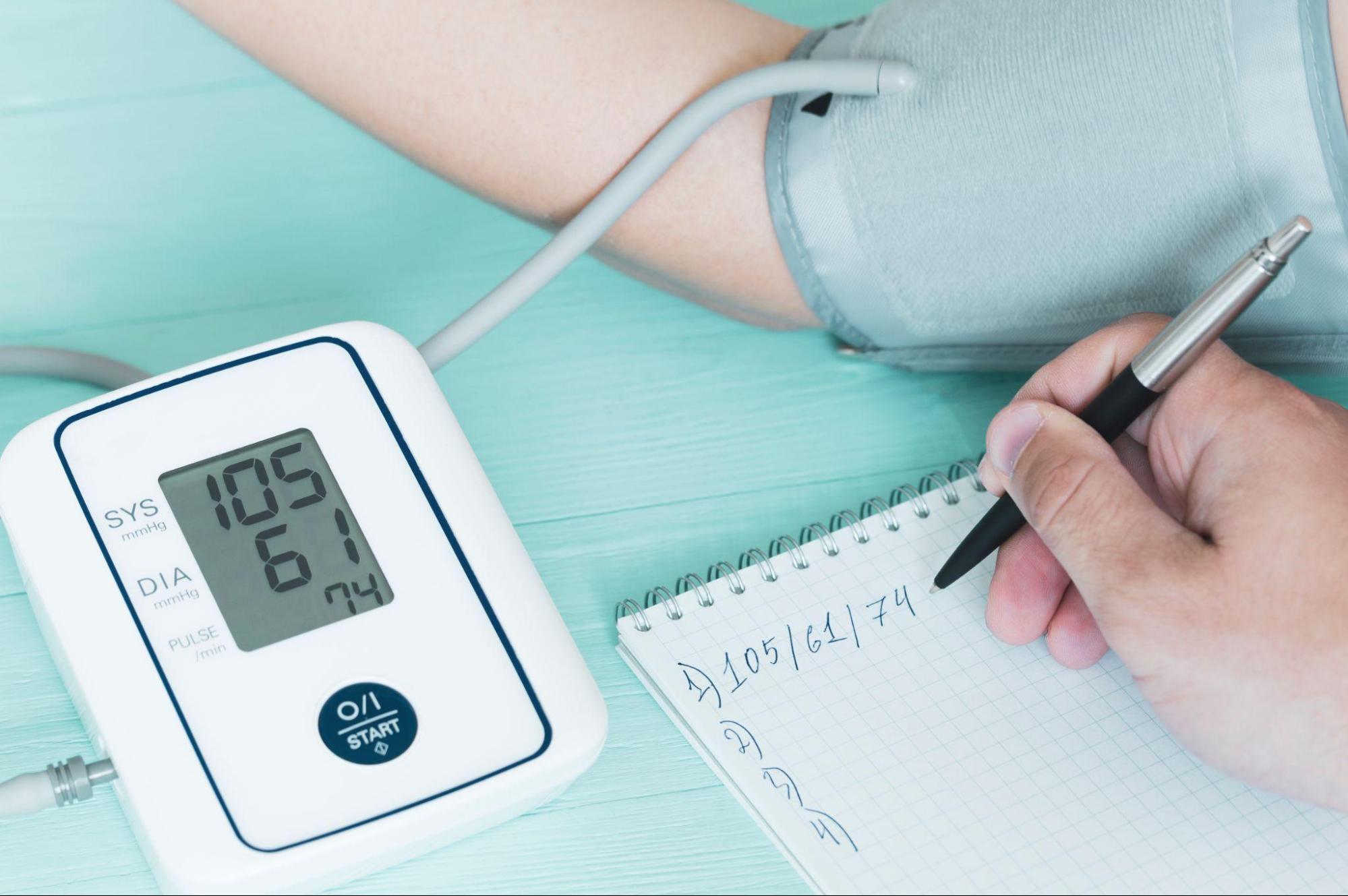
High blood pressure can creep up quietly. You may go about your day feeling fine while your arteries work harder than they should. When the numbers stay high over time, the force against your artery walls increases the risk for stroke, heart disease, and other complications.
Globally, roughly 1.4 billion adults live with hypertension, and close to 600 million do not even know it. That alone says a lot about how silent it can be.
What Is High Blood Pressure?
According to the Cleveland Clinic, blood pressure is the force your blood exerts as it moves through your arteries. For most adults, normal blood pressure is considered below 120/80 mm Hg. When readings reach 140/90 mm Hg or higher, this is considered high blood pressure. The World Health Organization defines hypertension as blood pressure readings of 140/90 mm Hg or higher on two separate days. When blood pressure remains elevated, the heart must work harder against increased resistance, which can place added strain on the heart and blood vessels and increase the risk of serious health complications.
How to Know if You Have High Blood Pressure
You usually cannot tell by how you feel. Most people with hypertension have no symptoms at all, which is why screening matters. A provider typically confirms a diagnosis with multiple readings, often using home or ambulatory monitors to get a clearer picture.
About one in five adults with high blood pressure is unaware of it, so a quick check can be more helpful than you might think.
Ways to Lower High Blood Pressure Naturally
Lifestyle changes can create steady improvements over time. You do not need to overhaul everything at once. Even small steps can shift the numbers.
Weight and Movement
Excess weight raises strain on the heart. According to the American Heart Association, you may see about a 1 mm Hg drop in systolic blood pressure for every kilogram of weight you lose. Think of it as easing the load one small step at a time.
Pairing weight changes with movement helps even more. Aerobic exercise, such as swimming, cycling, or walking, often lowers systolic readings by 5–8 mm Hg, while strength and isometric training offer additional modest drops.
Eating Patterns
A heart-forward eating approach, like DASH-style patterns, can make a noticeable difference. These meals center on vegetables, fruits, whole grains, and lean proteins. For many people with hypertension, this pattern can reduce systolic numbers by around 11 mm Hg.
On the other hand, reducing salt intake, sometimes even just cutting 1,000 mg a day, can lower readings by 5–6 mmHg. That is worth paying attention to because salt hides in places you might not expect, like bread, sauces, and packaged snacks.
Potassium From Food
Potassium shows up in simple foods like bananas, beans, greens, and yogurt. When your health allows, eating more of these can gently lower systolic blood pressure by a few points, sometimes 4–5 mmHg. The effect is not the same for everyone, so it helps to check with a provider, especially if you have kidney conditions.
Alcohol Awareness
Moderate drinking helps many people keep systolic blood pressure in a healthier range. Many adults see a drop of about 4 mm Hg in systolic blood pressure when they stay within one drink a day for women and two for men.
Blood Pressure Control Medications
In addition to the measures outlined above, there are many blood pressure control medications available to help you. Please speak with your Primary Care Provider (PCP) today to learn more about whether your blood pressure readings are normal, and whether a blood pressure control medication may be something to consider. As a member of Jai Medical Systems, blood pressure control medications are eligible for 90-day fills.
Your Next Step Toward Heart Health in Maryland
If you live in Maryland and need help managing your high blood pressure, you do not have to navigate it alone. As a member of Jai Medical Systems, you have access to primary care and specialists throughour Maryland who can provide preventive care, screenings, and support that can help control yourblood pressure in sustainable ways. We work with members across the state, helping you schedule visits, understand your readings, and keeping you connected with providers who can guide long-term heart health. Reach out anytime. Together, we can support a plan that fits your everyday life.
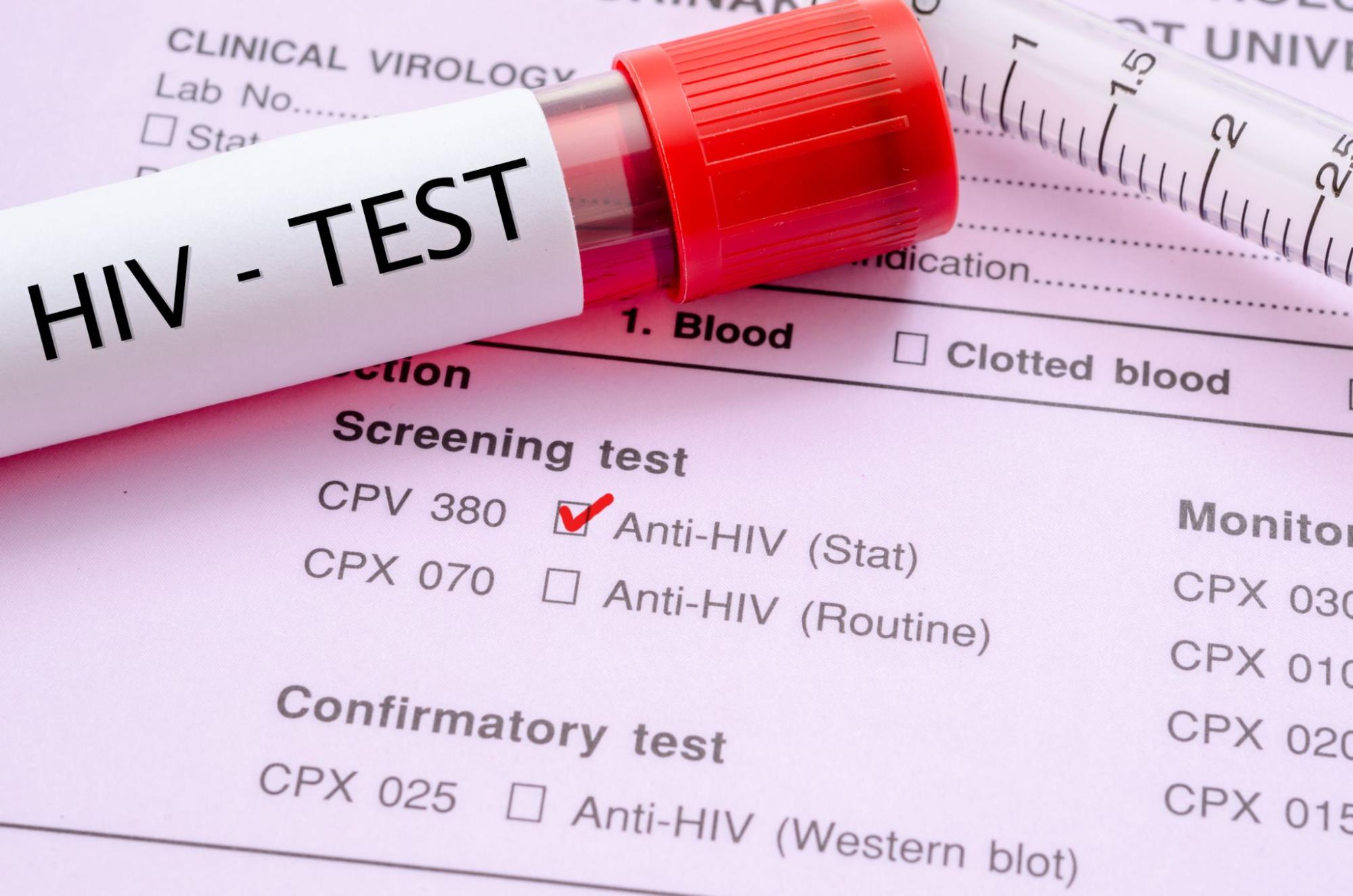
HIV is a viral infection that affects the immune system. Over time, it can make it harder for your body to fight off other infections. In the United States, roughly 1.2 million people are living with HIV, and a significant number do not know they have it.
That gap exists largely because HIV does not always cause noticeable symptoms right away. Some people feel sick early on, while others feel completely fine. Understanding what early signs can look like and knowing when to get tested helps close that gap.
Early Signs of HIV
Early signs of HIV can appear a few weeks after exposure, but they are not the same for everyone. Some people notice changes quickly, while others do not feel different at all. When HIV symptoms do show up, they often resemble a short viral illness, which makes them easy to overlook. Common early signs may include:
- Fever or chills
- A sore throat or swollen glands
- A rash
- Unusual fatigue
- Night sweats or mouth ulcers
These HIV Symptoms often fade on their own. That can create a false sense of reassurance, especially if you assume the issue has passed. Symptoms alone do not confirm or rule out HIV.
In the early stage, HIV symptoms in men tend to look the same as they do in women. The virus affects the immune system in the same way regardless of gender, which is why early warning signs overlap almost entirely. Differences between men and women usually appear later. For example, women may experience changes related to reproductive health over time.
This is part of why early HIV can be missed. Maryland state health officials estimate that around 2,500 people may have HIV without knowing it and about 31,956 residents aged 13 and older are currently living with diagnosed HIV. Because early signs can be subtle or absent, testing after any concerning exposure is often the safest next step.
When to Get Tested
HIV is most commonly transmitted through unprotected sexual contact, sharing needles or injection equipment, or direct exposure to infected blood. If you believe you may have been exposed, getting tested matters even if you feel healthy.
Many people assume they would notice something was wrong. In practice, that is rarely the case. A few days of fever, fatigue, or body aches can easily blend into everyday life. For this reason, Maryland health officials recommend routine HIV testing starting at age 13 for sexually active people.
Some people may need to test more often. This includes individuals with multiple partners, those with a partner who has HIV, or anyone who uses injection drugs. A healthcare provider can help you decide how frequently testing makes sense based on your situation.
Testing is also important after a specific incident that raises concern. That can be a condom failure, a partner disclosure, or an unexpected exposure. In those moments, testing offers clarity. If the result is negative, you can also learn about prevention tools such as PrEP or PEP to help reduce future risk.
Why Early Detection Matters
Finding HIV early gives you more control over what comes next. Treatment today is effective and reliable, especially when started early. With consistent care, treatment can lower the virus to undetectable levels. That helps protect your immune system and prevents sexual transmission.
Early detection also allows providers to monitor your health before complications develop. Instead of reacting later, testing early supports steadier, long-term care decisions and fewer health disruptions down the line.
Accessing HIV Testing Services
Maryland has several ways for you to get tested. Many clinics offer free or low-cost services, and places connected to the state health department accept Medicaid. You can even use the CDC’s locator tool: Type in your ZIP code or text your ZIP code to KNOWIT (566948) to find testing centers near you. For people who prefer privacy at home, Maryland also supports free home STI/HIV test kits through iwantthekit.org.
As a Jai Medical Systems member, you can use your preventive benefits to get HIV testing and routine screenings. Our coverage supports yearly checkups and any follow-up your provider recommends. If you are not sure where to start, reach out to us. We can help you schedule a visit, walk through your benefits, or connect you with a primary care provider who can guide your long-term health.
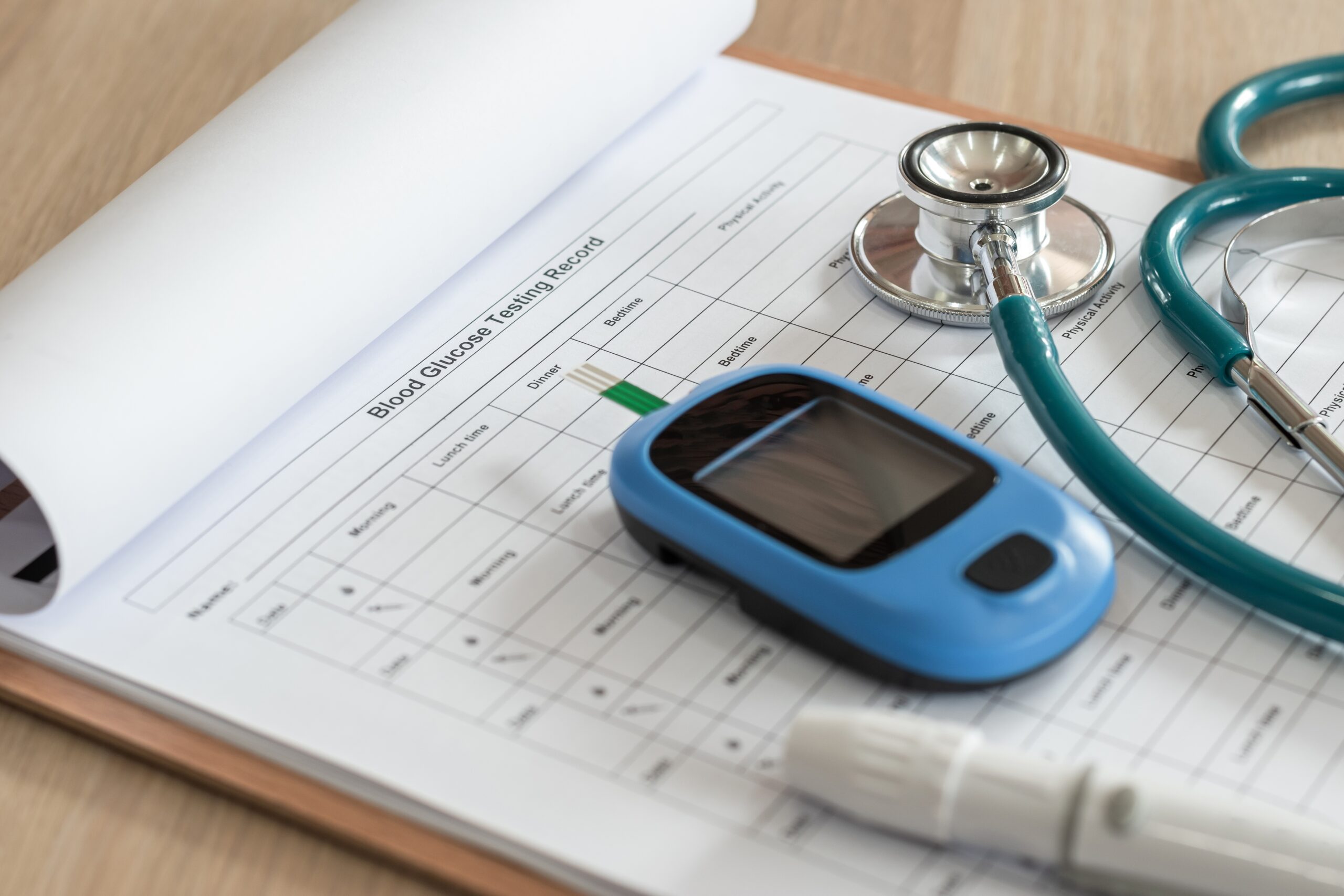
Diabetes often develops without warning signs. According to the CDC, more than 38 million people in the U.S. live with diabetes, and many do not even know they have it. That is why it is important to know the basics, especially the differences between prediabetes, type 1 diabetes, and type 2 diabetes.
What Is Diabetes
Diabetes is a health condition where your body has trouble managing blood sugar. It can happen when your body does not make enough insulin or cannot use insulin the right way. Over time, too much sugar in the blood can cause serious problems, including heart disease, vision loss, and kidney damage.
There are three main types: prediabetes, type 1 diabetes, and type 2 diabetes.
Prediabetes
Prediabetes happens when blood sugar levels rise above normal but are still below the diabetes range. It does not usually cause symptoms, so many people do not know they have it. The good news is that you can take steps to turn things around.
According to the CDC, over 98 million adults in the U.S. have prediabetes. That is about 1 in 3 adults. Most do not know they have it.
Even with prediabetes, you may start noticing the following symptoms:
- Feeling more tired than usual
- Being thirstier
- Using the bathroom more often
The best way to stop prediabetes from turning into type 2 diabetes is to make small lifestyle changes.
Maryland’s HealthChoice Diabetes Prevention Program (DPP) is a free, year-long program for eligible Medicaid members. It includes weekly or monthly sessions with a trained coach, group support, and tips for eating healthier, staying active, and managing stress.
People in the program often lose 5–7% of their body weight and feel more energetic. Research shows that DPP can lower your risk of getting type 2 diabetes by up to 58%, and even more if you are over 60.
Type 1 Diabetes
Type 1 diabetes develops when your body no longer produces insulin. It often appears in children or young adults, but can start at any age. This form progresses quickly and requires daily insulin and regular blood sugar checks to stay healthy.
Common diabetes symptoms include:
- Losing weight without trying
- Feeling very tired or sick
- Needing to urinate more often
- Feeling thirsty all the time
- Blurred vision
If you notice these signs, get tested right away. People with type 1 diabetes need daily insulin, blood sugar checks, and ongoing care from a provider.
Type 2 Diabetes
Type 2 diabetes is the most common form and usually develops gradually. Your body still produces insulin, but has trouble using it effectively. Because symptoms can be mild or absent early on, many people live with it for years without knowing.
Anyone can develop type 2 diabetes, but the chances go up if you are over 45, carry extra weight, or have close family members who have been diagnosed with diabetes.
Signs to look for:
- Fatigue
- Increased thirst
- Frequent urination
- Slow-healing cuts
- Blurry vision
Eating well, being active, and taking medicine if needed can help manage type 2 diabetes and avoid complications.
How Jai Medical Systems Supports You
At Jai Medical Systems, we are here to help support you in your health journey in a variety of ways. If you qualify, you can join the HealthChoice Diabetes Prevention Program at no cost. We also offer health education classes to help you make informed decisions about your care.
Topics include diabetes care and management, weight management, asthma, smoking cessation, and hypertension. Classes are available both online and in person, and transportation may be provided if you need it.
If you are ready to make a healthy change, call 1-888-JAI-1999 or talk to your provider to learn more about how to join.

If you have Medicaid in Maryland, you probably get your care through a Managed Care Organization (MCO). An MCO helps you stay healthy by ensuring access to primary care and specialty care doctors, hospitals, medicine, and more, so you get the care you need, when you need it.
In Maryland, Medicaid health plans are called Maryland MCOs. When you sign up for Medicaid, you pick a plan from a list of approved options. Each plan is a Maryland Managed Care Organization that works with providers in your area. That plan becomes your go-to for accessing care.
Let us walk you through how it works and how you can use your MCO benefits to feel your best.
What Do Maryland Managed Care Organization Plans Cover?
Your Medicaid Managed Care Organization benefits include a wide range of care at no cost to you such as:
- Visits to your primary doctor
- Visits to specialists (like heart or skin doctors)
- Emergency room care when you are sick or hurt
- Lab tests, X-rays, and prescriptions
- Checkups for babies, kids, and teens (EPSDT)
- Prenatal care during pregnancy and help after birth
- Immunizations (shots)
- Family planning
- Vision care
Some services, like dental care or mental health, are handled by the state or other programs, but MCOs can help guide you to the right place for these services.
Tips to Use Your MCO Benefits
Here are easy ways to take full advantage of your MCO Medicaid benefits:
Book Regular Checkups
Even if you feel fine, checkups help catch problems early. Children should get well visits, lead tests, and shots on a regular schedule. Adults should get annual physicals and screenings, too.
Get Your Vaccines
Ask your doctor about important vaccines to protect you and your family from serious illnesses.
Choose a Doctor in Your Network
Use your plan’s provider list to find a doctor who works with your Maryland MCO. This helps you avoid surprise bills.
Use Free Transportation, If Needed
If you don’t have a ride, call your local health department to ask about Non-Emergency Medical Transportation (NEMT). If you qualify, you can get a free ride to your covered appointments. Jai Medical Systems also offers free transportation to and from your primary care appointments.
Keep Using Your Benefits if You Switch Plans
If you change your MCO, you may be able to keep your current treatment or medicine for up to 90 days. Let your new plan know right away so care does not stop.
Why Pick Jai Medical Systems?
At Jai Medical Systems, we have served Maryland families since 1997. We know your community. We know your needs. And we are here to help you get the most from your MCO benefits.
Here is why so many Marylanders choose us:
- Jai Medical Systems has earned Medicaid Health Plan Accreditation from the National Committee for Quality Assurance (NCQA). Currently, our plan is rated a 4 out of 5 by NCQA. In addition, we have earned Health Equity Accreditation from NCQA.
- We have a comprehensive provider network.
- We offer a Healthy Rewards Program to reward you for taking care of important preventative healthcare.
- We offer free health education classes and online resources to help manage your care.
- We have a 24/7 Nurse Advice Line when you have health questions.
- We work closely with you to help you stay healthy year-round.
If you are a member of Jai Medical Systems, we can help you find a provider, make an appointment, or learn about your benefits. Call our friendly and knowledgeable Customer Service team today at 1-888-524-1999. Not a member, but want to learn more about Jai Medical Systems? Call us at 1-888-JAI-1999.
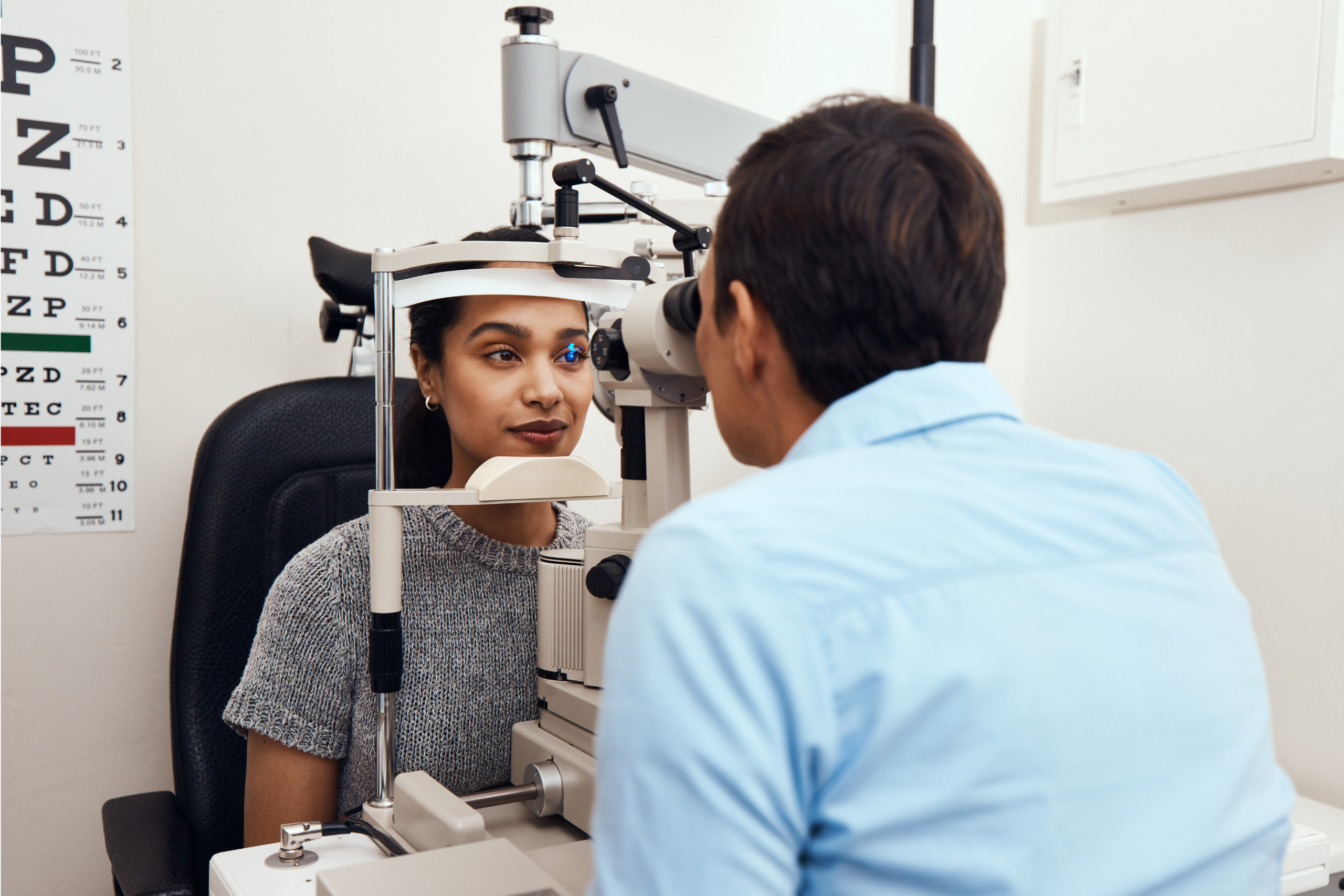
Eye exams are not only for vision correction. During your visit to an optometrist or ophthalmologist, the internal structures of your eyes will be examined to check for eye defects and signs of diseases affecting other parts of the body.
Catching these issues early can help protect your eyesight and ensure good overall health.
What Diseases Can Be Detected in Eye Exams
Your eyes contain tissues, nerves, and blood vessels, which can reveal early signs of health problems throughout the body. An eye exam allows doctors to detect indicators linked to conditions such as the following.
Diabetes
High blood sugar can damage the small blood vessels in the retina, causing bleeding, swelling in the central retina, and cataracts. In fact, many people learn they have diabetes when their eye doctor notices these changes during an exam.
Regular eye exams are especially important for diabetics, as the disease can cause diabetic retinopathy, a condition that can lead to blindness if not managed. One of the most common tests is retinal imaging, which provides detailed digital images of the surface of the retina. Retinal imaging exams are now offered at Jai Medical Systems’ participating provider, Jai Medical Center.
Hypertension
High blood pressure is a highly prevalent disease in the country, affecting about half of the adult population. The condition can affect your eyes, causing problems like thinning blood vessels, tiny spots of bleeding, and swelling of the optic nerve. Since these changes often appear before other symptoms develop, eye doctors are sometimes the first to detect high blood pressure.
Cardiovascular Disease
Conditions like heart disease can leave warning signs such as blocked blood vessels, tiny cholesterol deposits in the eye arteries, and yellowish deposits in the cornea.
Certain Cancers
Although formal cancer screening requires specialized tests, eye exams can reveal signs of certain types of cancers. Leukemia, for example, may present as retinal bleeding or swelling of the optic nerve. Other cancers, such as melanoma, lung cancer, breast cancer, and multiple myeloma, may trigger changes such as abnormal pigmentation or unusual growths that an eye doctor may detect during an exam.
Glaucoma
Being an eye disease, glaucoma can be easily detected during an eye exam. As glaucoma develops, it causes significant changes in the structure of the eye. These include thinning tissues around the optical nerve, blind spots in peripheral vision, and an increase in fluid pressure inside the eyes.
Cataracts
If you have cataracts, your doctor may see the signs during a microscopic exam. Symptoms often include cloudy or yellow areas in the lens of the eye, hardening of the central part of the lens, and absence of the normal red glow that comes from the retina when you shine light on it.
Macular Degeneration
This is arguably one of the most common causes of vision loss among the elderly. It primarily affects the macula, which is a small, central part of the retina responsible for sharp vision. The condition causes blurry or distorted central vision, while peripheral vision usually remains intact. An eye exam can detect signs like yellow deposits under the retina, thinning of macular tissue, and the presence of fluid or swelling in the macula.
How Often Should You Get an Eye Exam?
The American Optometric Association (AOA) recommends yearly eye exams for all adults, even those without eye problems. This helps detect vision issues and underlying health conditions such as diabetes, hypertension, or high cholesterol. Early detection through regular eye exams makes it possible to begin treatment right away, helping to protect your vision and prevent more serious health problems down the road.
At Jai Medical Systems, we are committed to providing high-quality healthcare benefits and services to the people of Maryland, including annual eye exams. Contact us today to find a provider and schedule your annual eye exam.

August is Immunization Awareness Month, a perfect time to prepare your child for the new school year. Along with getting school supplies and clothes, making sure your child’s shots are up to date is one of the most important steps you can take. These shots protect your child’s health and help keep classmates and teachers safe.
When children spend hours together in classrooms, it is easier for sickness to spread. When you get your child the right shots, you lower the chance of illness and help protect others around them.
Why Immunizations Are Important
Getting shots on time has lasting benefits for your child and the whole community. They protect against sickness, lower the chance of outbreaks, and meet school rules for attendance.
Disease Prevention
Shots protect against serious illnesses like measles, mumps, chickenpox, polio, and whooping cough. These sicknesses can cause long absences from school and lasting health problems. Keeping up with shots gives your child a strong defense.
Preventing Outbreaks
When many children get their shots, it is harder for sickness to spread. If too many skip their shots, outbreaks can happen quickly in schools. Learning about how vaccines work and the benefits they provide is key to making informed decisions. By staying informed and keeping vaccination rates high, we can protect not only individual children but also the health of those around them.
Comply With School Requirements
In Maryland, children must have certain shots before starting school. This includes protection against the following illnesses:
- Measles
- Mumps
- Rubella
- Polio
- Tetanus
- Diphtheria
- Whooping cough
Schools often ask for an up-to-date shot record before the first day of class. Having this ready helps your child start the year without delay.
What You Can Do
Getting ready for school includes checking that your child’s shots are current. The following simple steps can make the process smooth and stress-free.
Check Your Child’s Vaccination Record
Look at your child’s shot record before the school year begins. Compare it to the Maryland EPSDT immunization schedule for your child’s age. If you do not have the record, call your child’s doctor or clinic. This helps you know if your child needs any shots.
Schedule a Well-Child Visit
A well-child visit is a good time to catch up on missing shots. The provider can also check your child’s growth and answer questions. If your child needs more than one shot, the provider can plan the best way to give them with the least stress.
Help Your Child Feel Comfortable
Shots can cause worry for some children, but a little preparation can make a big difference. Talk to them in a calm voice and explain that the shot might feel like a quick pinch. Bring a favorite toy or blanket for comfort. Praise them afterward for being brave. If they feel sore later, a cool cloth can help.
Reach Out for Support
You do not have to handle back-to-school health steps alone. If you are a member of Jai Medical Systems, we can help you find a provider, make an appointment, and assist with transportation to and from your child’s primary care apppointment. Call us at 1-888-JAI-1999 if you need help getting your child school-ready. We are here to make the process easier for you and your family.

Good health is not just about doctor visits or taking medicine. Where you live, work, and spend time can play a big part in how healthy you feel each day. These life factors are called social determinants of health. They include your job, your neighborhood, your school, and the people around you.
What Are the Social Determinants of Health?
Your daily life shapes your health in many ways. Below are some of the social factors that influence health.
Economic Stability
A steady job and enough money make it easier to pay for food, housing, and doctor visits. Without money, people might skip meals or avoid medical care. Research shows that living in poverty or close to it (below 200% of the federal poverty level) can lower life expectancy by about eight years compared to people with higher incomes.
Education Access and Quality
Education gives you the tools to make healthy choices and find better jobs. Kids who go to good schools and finish high school are more likely to stay healthy as adults. People with more education often live longer and feel better because they understand how to take care of their health.
Healthcare Access and Quality
Having a trusted doctor and being able to get check-ups can help detect health issues before they become serious. According to the CDC, inadequate healthcare is a main reason for higher rates of heart disease and other long-term illnesses.
Neighborhood and Built Environment
Your neighborhood shapes how easy it is to move your body and eat healthy foods. Safe parks and sidewalks make it easier to walk or exercise outside, while stores with fresh fruits and vegetables help you cook healthy meals at home.
Living in an area without safe places to play can make people feel worried about crime or traffic, so they stay inside more and feel trapped. Not having good grocery stores nearby forces families to eat more processed foods and can cause stress about how to find healthy options.
Social and Community Context
Strong connections with family and friends can help you handle stress and stay motivated to care for your health. Feeling supported can lower your risk of depression and help you live longer. A caring community makes it easier to stay on track with your health goals.
Reasons to Address Social Determinants of Health
The following are some of the reasons why supporting these areas of your life can help you stay healthy and feel your best.
- Improve overall health: Meeting your basic needs helps you feel strong and lowers your chances of getting sick.
- Improve mental health: Feeling safe, having enough food, and having people you trust can keep your mind calm and happy.
- Reduce the risk of chronic diseases: Good food choices and safe places to move lower your chances of getting serious diseases like heart problems or diabetes.
- Better management of existing conditions: When your daily needs are met, it is easier to take your medicine, get to appointments, and follow care plans.
- Reduce healthcare costs: Staying healthy can help you avoid emergency visits and save money on medical bills.
- Increase life expectancy: Meeting your social needs can help you live a longer and fuller life.
What Is a Social Determinants of Health Screening Tool?
Doctors and health groups use social determinants of health screening tools to learn about things that might be making it harder for you to stay healthy.
At Jai Medical Systems, we have a simple survey that asks about your needs with food, housing, and transportation. Your answers help us connect you to helpful local programs, like food support or ride services.
If you want help with any of these areas, reach out to us today. We are here to support you and help you live your healthiest life.