 Did you know that your IE browser is outdated?








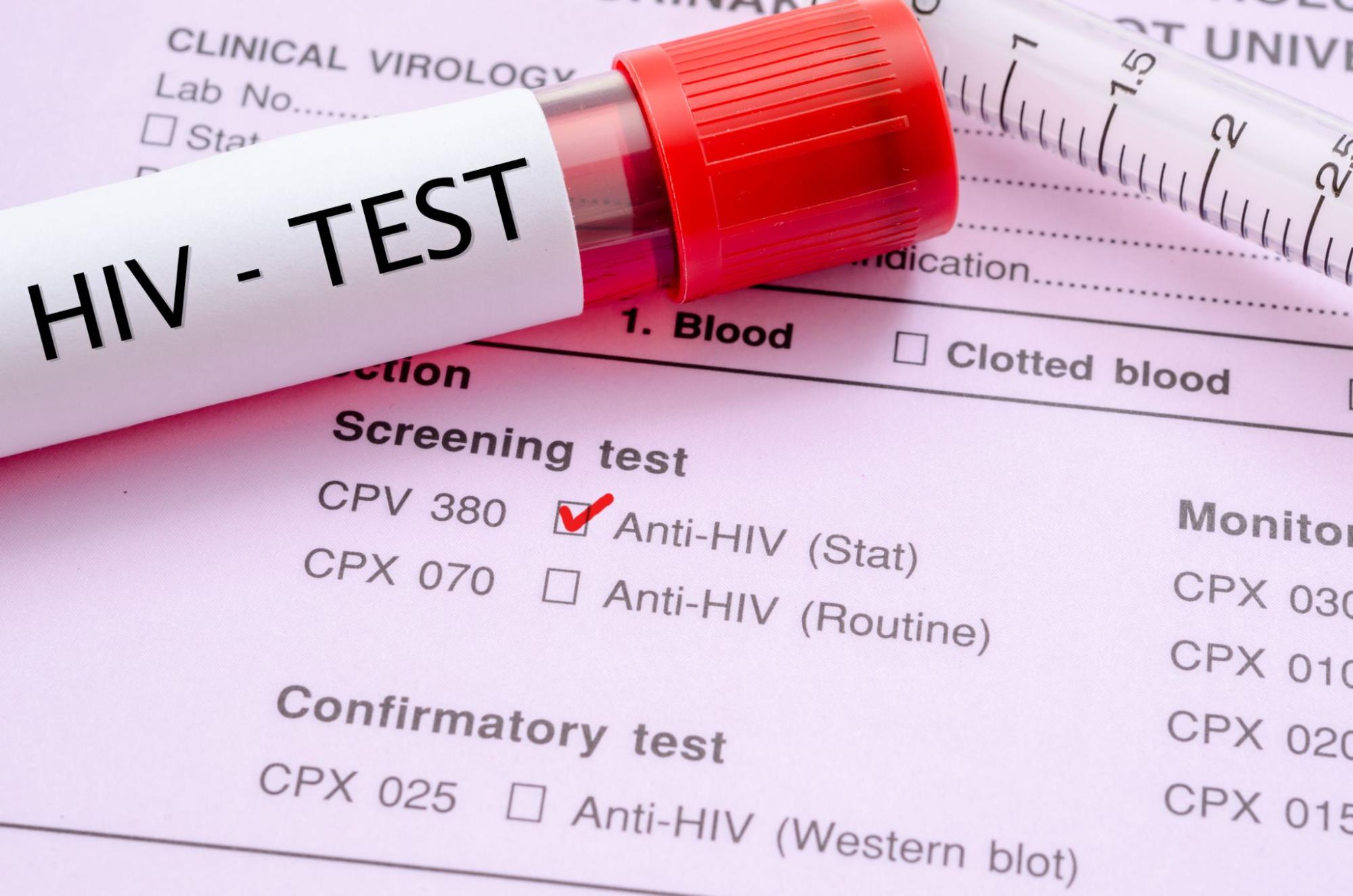
HIV is a viral infection that affects the immune system. Over time, it can make it harder for your body to fight off other infections. In the United States, roughly 1.2 million people are living with HIV, and a significant number do not know they have it.
That gap exists largely because HIV does not always cause noticeable symptoms right away. Some people feel sick early on, while others feel completely fine. Understanding what early signs can look like and knowing when to get tested helps close that gap.
Early Signs of HIV
Early signs of HIV can appear a few weeks after exposure, but they are not the same for everyone. Some people notice changes quickly, while others do not feel different at all. When HIV symptoms do show up, they often resemble a short viral illness, which makes them easy to overlook. Common early signs may include:
- Fever or chills
- A sore throat or swollen glands
- A rash
- Unusual fatigue
- Night sweats or mouth ulcers
These HIV Symptoms often fade on their own. That can create a false sense of reassurance, especially if you assume the issue has passed. Symptoms alone do not confirm or rule out HIV.
In the early stage, HIV symptoms in men tend to look the same as they do in women. The virus affects the immune system in the same way regardless of gender, which is why early warning signs overlap almost entirely. Differences between men and women usually appear later. For example, women may experience changes related to reproductive health over time.
This is part of why early HIV can be missed. Maryland state health officials estimate that around 2,500 people may have HIV without knowing it and about 31,956 residents aged 13 and older are currently living with diagnosed HIV. Because early signs can be subtle or absent, testing after any concerning exposure is often the safest next step.
When to Get Tested
HIV is most commonly transmitted through unprotected sexual contact, sharing needles or injection equipment, or direct exposure to infected blood. If you believe you may have been exposed, getting tested matters even if you feel healthy.
Many people assume they would notice something was wrong. In practice, that is rarely the case. A few days of fever, fatigue, or body aches can easily blend into everyday life. For this reason, Maryland health officials recommend routine HIV testing starting at age 13 for sexually active people.
Some people may need to test more often. This includes individuals with multiple partners, those with a partner who has HIV, or anyone who uses injection drugs. A healthcare provider can help you decide how frequently testing makes sense based on your situation.
Testing is also important after a specific incident that raises concern. That can be a condom failure, a partner disclosure, or an unexpected exposure. In those moments, testing offers clarity. If the result is negative, you can also learn about prevention tools such as PrEP or PEP to help reduce future risk.
Why Early Detection Matters
Finding HIV early gives you more control over what comes next. Treatment today is effective and reliable, especially when started early. With consistent care, treatment can lower the virus to undetectable levels. That helps protect your immune system and prevents sexual transmission.
Early detection also allows providers to monitor your health before complications develop. Instead of reacting later, testing early supports steadier, long-term care decisions and fewer health disruptions down the line.
Accessing HIV Testing Services
Maryland has several ways for you to get tested. Many clinics offer free or low-cost services, and places connected to the state health department accept Medicaid. You can even use the CDC’s locator tool: Type in your ZIP code or text your ZIP code to KNOWIT (566948) to find testing centers near you. For people who prefer privacy at home, Maryland also supports free home STI/HIV test kits through iwantthekit.org.
As a Jai Medical Systems member, you can use your preventive benefits to get HIV testing and routine screenings. Our coverage supports yearly checkups and any follow-up your provider recommends. If you are not sure where to start, reach out to us. We can help you schedule a visit, walk through your benefits, or connect you with a primary care provider who can guide your long-term health.